Harvard · ResearchBrown University · Plastic Surgery ResidencyMemorial Sloan Kettering · FellowshipPhD · Scar Specialist60+ Scientific Publications5-Star Average · 150+ Patient Reviews30 Central Park South · New YorkFemale Plastic SurgeonTrilingual · English · Russian · SwedishHarvard · ResearchBrown University · Plastic Surgery ResidencyMemorial Sloan Kettering · FellowshipPhD · Scar Specialist60+ Scientific Publications5-Star Average · 150+ Patient Reviews30 Central Park South · New YorkFemale Plastic SurgeonTrilingual · English · Russian · Swedish

Insurance Guide

Aetna Insurance Coverage for Breast Reduction and Lift

Aetna often covers breast reduction and lift for patients with symptomatic macromastia, meaning large, heavy breasts that cause physical discomfort.

This guide explains Aetna’s medical necessity requirements for breast reduction, how much breast tissue may need to be removed, and how we handle insurance preauthorization for breast reduction and lift at Kiwanuka Plastic Surgery in New York City.

Aetna at a Glance

Age
18 or older, or stable breast size for one year
Symptoms
In at least two areas, for at least one year
Prior Treatment
At least 3 months
Photographs
Color, front and side
Tissue Removal
Aetna's own table, or more than 1 kg per breast
Mammogram
Within two years if you are 50 or older

Summarized from Aetna Clinical Policy Bulletin 0017, last reviewed March 12, 2026. Insurer policies change, and your plan documents control.

Aetna Breast Reduction Requirements

Aetna publishes its criteria in Clinical Policy Bulletin 0017. Aetna considers breast reduction medically necessary when all of the following are documented.

  • You are 18 or older, or your breast size has been stable for at least one year.
  • Symptoms in at least two areas for at least one year, such as headaches; neck, shoulder, or upper back pain; bra strap grooving or ulceration; skin breakdown beneath the breasts; or tingling in the arms or hands.
  • Pain that continues despite at least 3 months of treatment, such as pain medication, physical therapy, supportive bras, chiropractic care, or a medically supervised weight loss program.
  • Color photographs from the front and the side that show severe breast enlargement.
  • Planned tissue removal at or above Aetna's minimum for your body surface area, or more than 1 kg per breast.

If you are 50 or older, Aetna also asks for a mammogram negative for cancer within the past two years.

Dr. K on insurance coverage

How Aetna Measures Tissue Removal

Aetna does not use the Schnur scale. It uses its own table, based on body surface area calculated from height and weight, and its minimums are higher.

Body surface area 1.50
385g
Body surface area 1.70
550g
Body surface area 2.00
935g
Qualifies at any size
1kg+

Minimum tissue removal per breast. Because Aetna's numbers differ from the Schnur scale, our team checks your measurements against Aetna's table before your consultation. Compare with the Schnur scale and calculator.

What Aetna Considers Cosmetic

Appearance Alone
Reduction for members without physical symptoms caused by breast size.
Liposuction Alone
Breast reduction performed with liposuction only is not covered under the policy.
Lift on Its Own
A breast lift without a reduction is generally considered cosmetic.
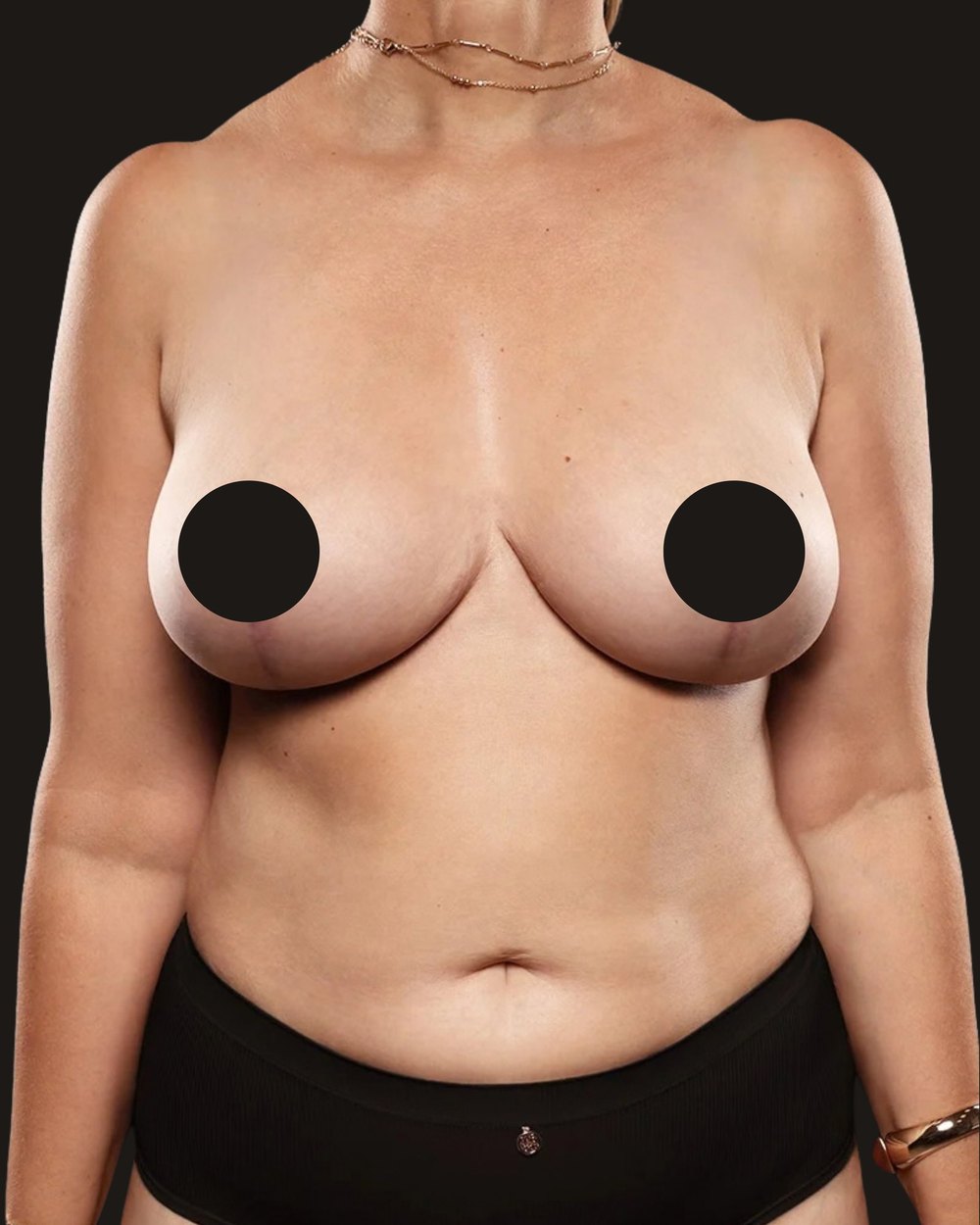
Using Your Aetna Benefits With Dr. Kiwanuka

Dr. Kiwanuka works with Aetna members through their out of network benefits. More than 95% of the insurance requests we submit are approved. Here is how the process works.

Check My Insurance Coverage
  1. Our team

    Free Insurance Verification

    We check your plan's out of network benefits, deductible, coinsurance, and referral rules at no cost.

  2. You and Dr. Kiwanuka

    Consultation

    Dr. Kiwanuka examines you and plans your reduction. Consultations are complimentary for insurance patients.

  3. Our team

    Documentation

    Clinical photographs, records of prior treatment, and a letter of medical necessity written to Aetna's criteria.

  4. Our team

    Preauthorization

    We submit your request to Aetna and follow up until a decision is made.

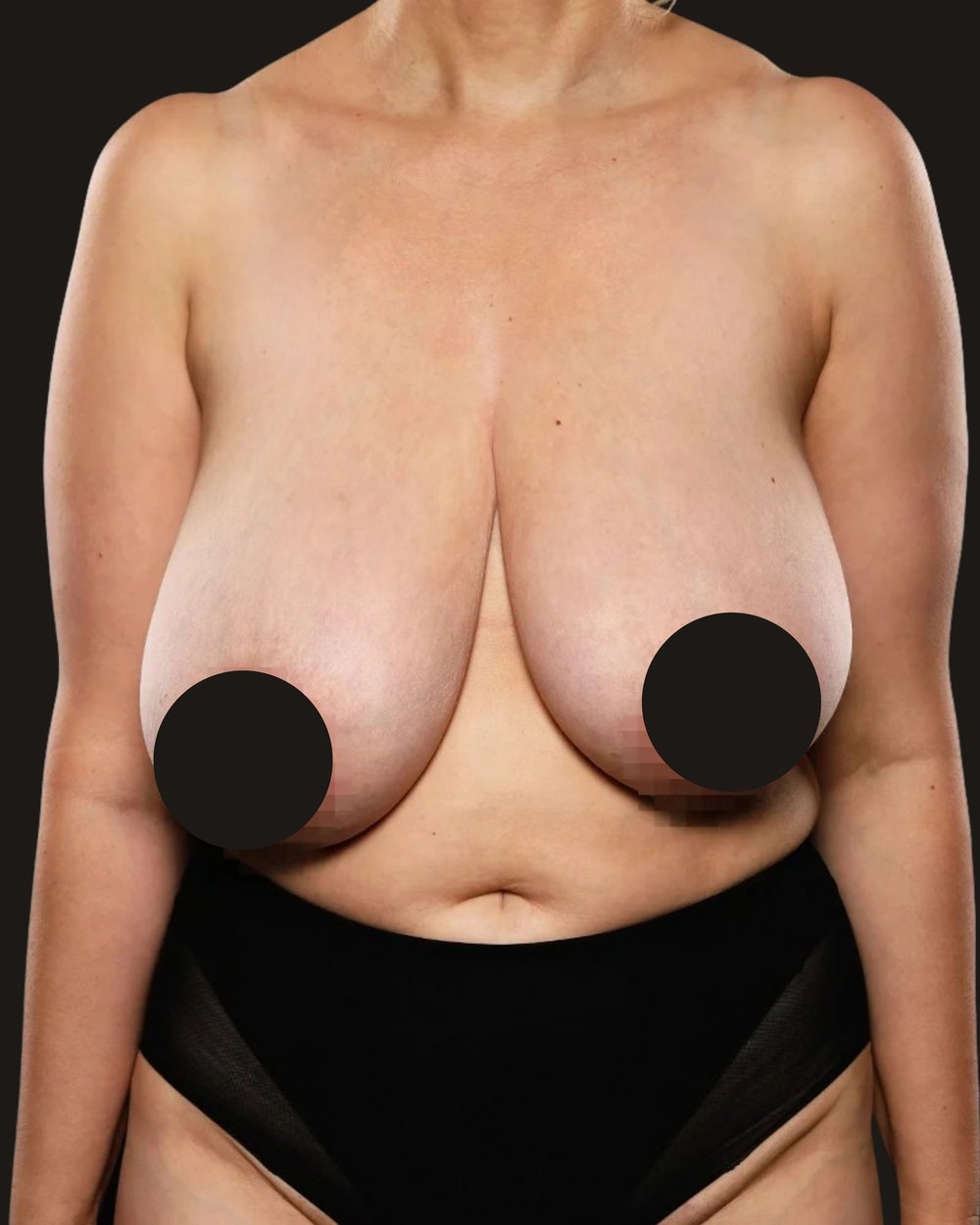
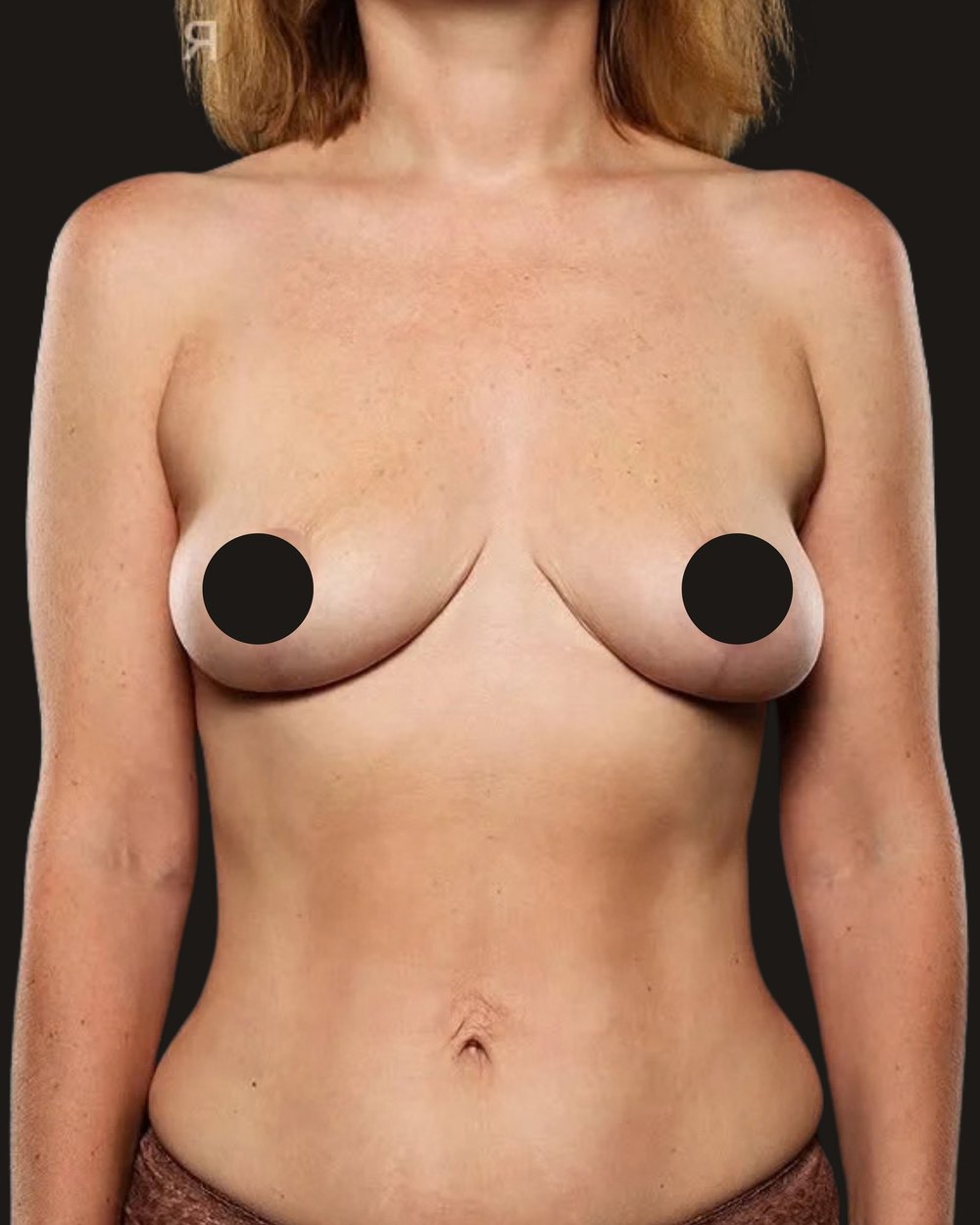
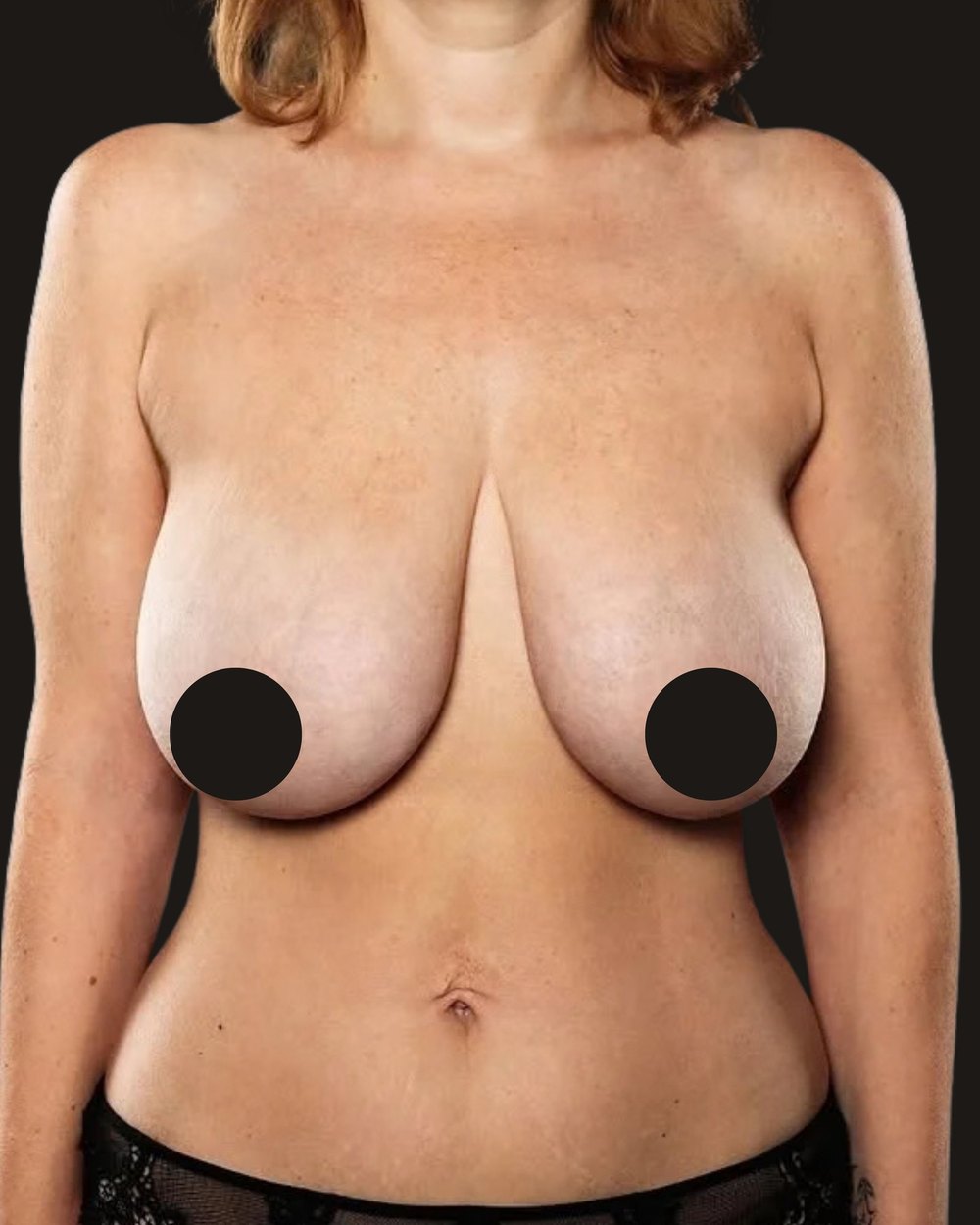
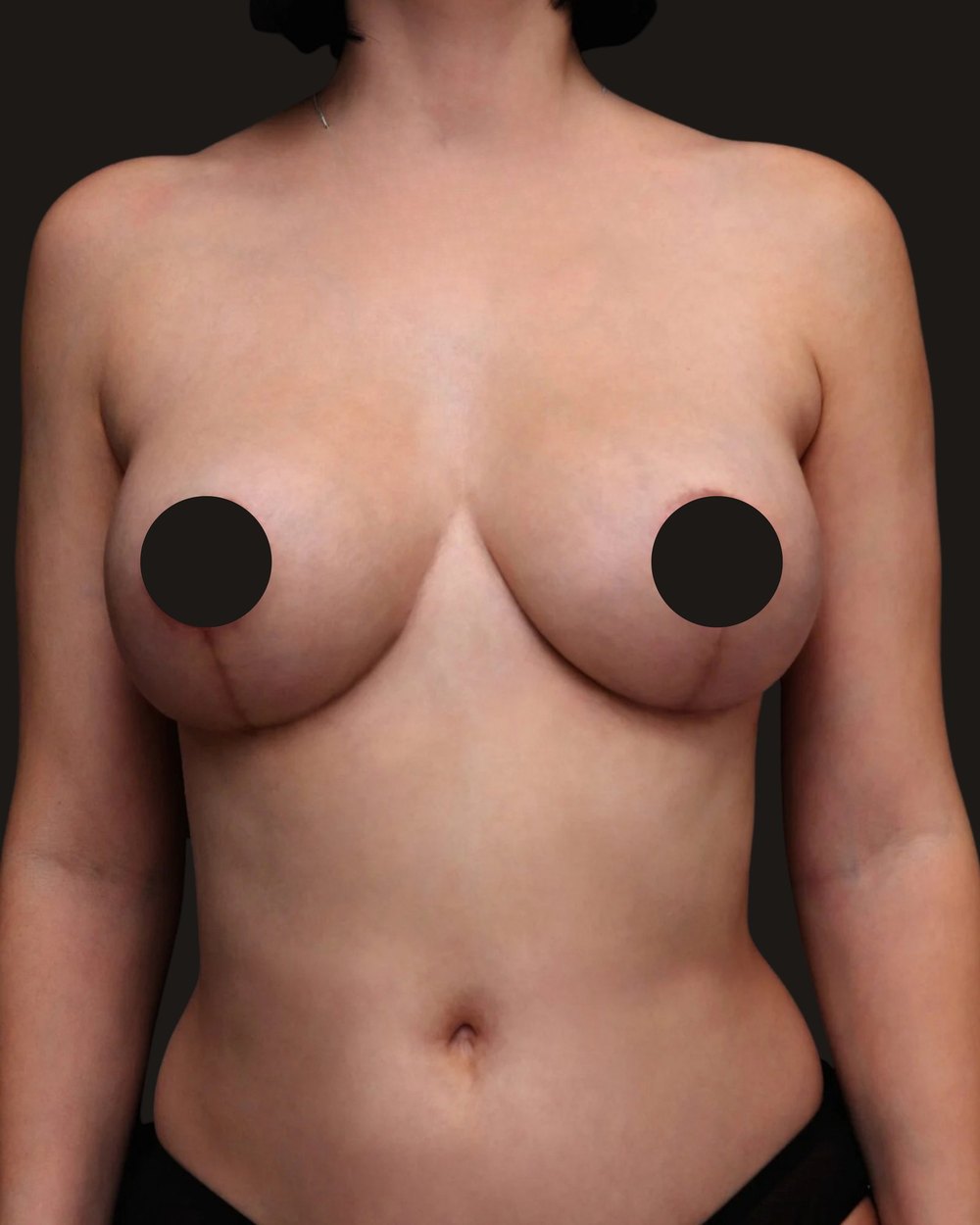
Breast Reduction and Lift Before and After

View the Full Gallery
  • Breast reduction and lift, after, front view Breast reduction and lift, before, front view
  • Breast reduction and lift, after, front view Breast reduction and lift, before, front view
  • Breast reduction and lift, after, front view Breast reduction and lift, before, front view

All patients photographed with informed written consent. Individual results vary and are dependent on anatomy, procedure type, and recovery.

Frequently Asked Questions

Does Aetna cover breast reduction?

Often, yes. Aetna covers breast reduction when it is medically necessary: breasts large enough to cause physical symptoms that have not improved with treatment. Your symptoms, photographs, and the amount of tissue to be removed must meet Aetna's policy, and your plan must include the benefit.

What are Aetna's requirements for breast reduction?

Aetna Clinical Policy Bulletin 0017 asks for age 18 or stable breast size; symptoms in at least two areas for at least one year; at least 3 months of treatment without relief; color photographs from the front and side; tissue removal at or above Aetna's table for your body surface area or more than 1 kg per breast; and, at 50 or older, a recent negative mammogram.

Does Aetna use the Schnur scale?

No. Aetna uses its own table based on body surface area, and its minimums are higher than the Schnur scale. More than 1 kg per breast qualifies at any size. Our team checks your numbers against Aetna's table for you.

Does Aetna require physical therapy first?

Aetna asks for at least 3 months of documented treatment before surgery, such as pain medication, physical therapy, supportive bras, chiropractic care, or a medically supervised weight loss program.

Does Aetna require a mammogram before breast reduction?

Yes, if you are 50 or older. Aetna asks for a mammogram negative for cancer within the two years before surgery.

Is a breast lift covered with an Aetna breast reduction?

Yes. Every breast reduction reshapes the breast and moves the nipple higher, so the lift is part of the operation. A lift on its own, without a reduction, is generally considered cosmetic.
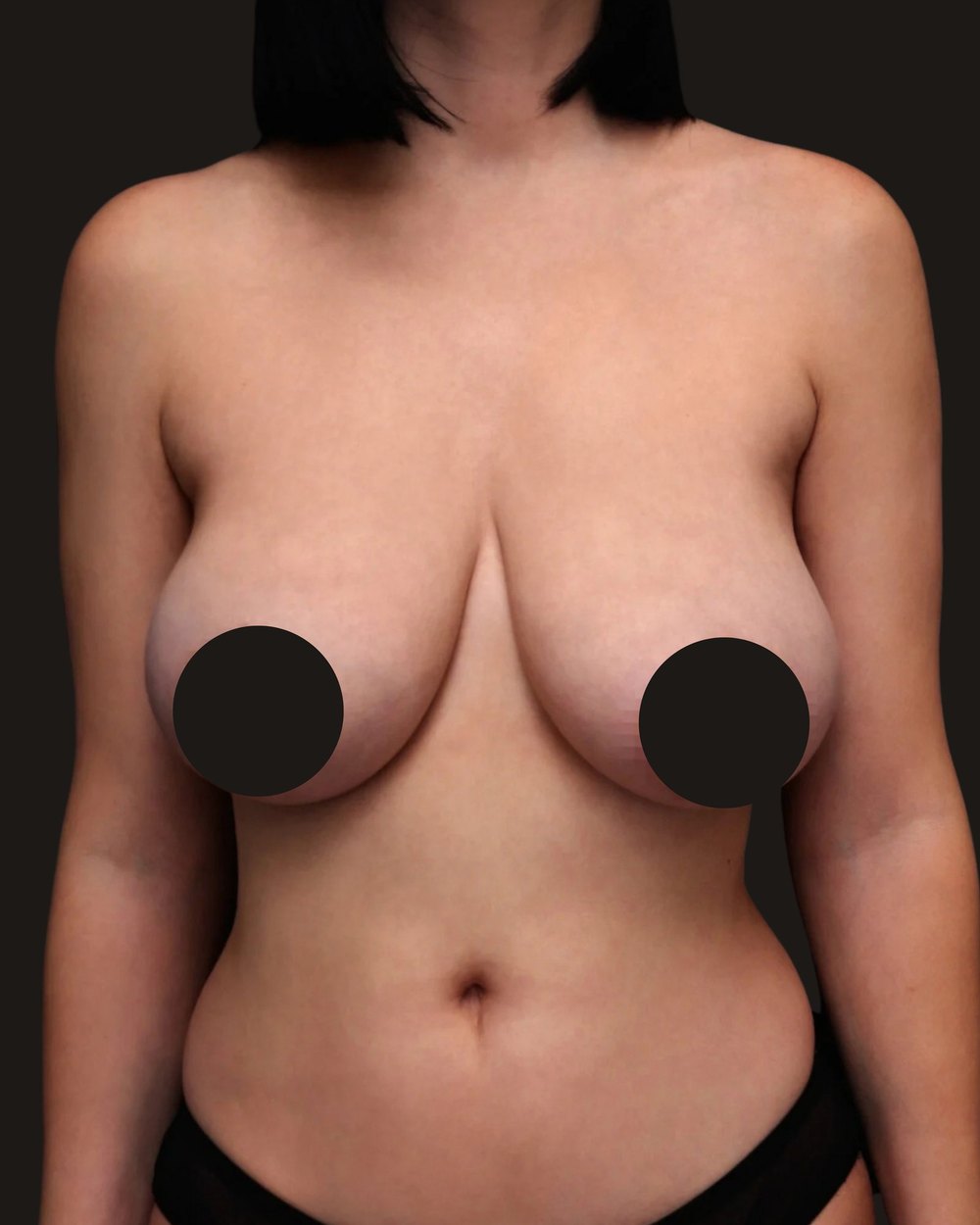
Can I use my Aetna plan with Dr. Kiwanuka?

Dr. Kiwanuka works with Aetna members through their out of network benefits. Benefits vary by plan, and our team checks yours for free before you schedule. You may request a written estimate of what we will bill at any time.

What if Aetna denies my breast reduction?

We review the reason and, when appropriate, send more documentation or an appeal. You also have appeal rights through Aetna, and some denials qualify for an independent external review.

Check My Insurance

Share a few details and our team will check your breast reduction benefits at no cost and with no obligation. Prefer to write? Contact us.

Call (212) 440-1700 Prefer to text? (855) 492-1800

Verification confirms your benefits. It is not a guarantee of coverage or payment.