


Harvard · ResearchBrown University · Plastic Surgery ResidencyMemorial Sloan Kettering · FellowshipPhD · Scar Specialist60+ Scientific Publications5-Star Average · 150+ Patient Reviews30 Central Park South · New YorkFemale Plastic SurgeonTrilingual · English · Russian · SwedishHarvard · ResearchBrown University · Plastic Surgery ResidencyMemorial Sloan Kettering · FellowshipPhD · Scar Specialist60+ Scientific Publications5-Star Average · 150+ Patient Reviews30 Central Park South · New YorkFemale Plastic SurgeonTrilingual · English · Russian · Swedish

Insurance-covered surgery

Breast Reduction & Lift in New York City

Google rating
5.0
Insurance approval rate
95%
Wound healing research
PhD

Breast reduction and lift relieves neck, back, and shoulder pain while reshaping the breasts to sit higher, feel lighter, and look more proportionate. At our Central Park South plastic surgery practice in Manhattan, every breast reduction is carefully planned to balance lasting relief, natural breast shape, and minimal scarring.

Insurance-covered breast reduction is a core part of our practice. We offer free insurance benefit verification, prepare the necessary medical documentation, and handle the preauthorization process to help you access the care you need.

Surgery time
2–3 hours
Anesthesia
General
Recovery, no routine narcotics
Drain-free
Back to desk work
About 1 week
Consultation for insurance patients
Complimentary

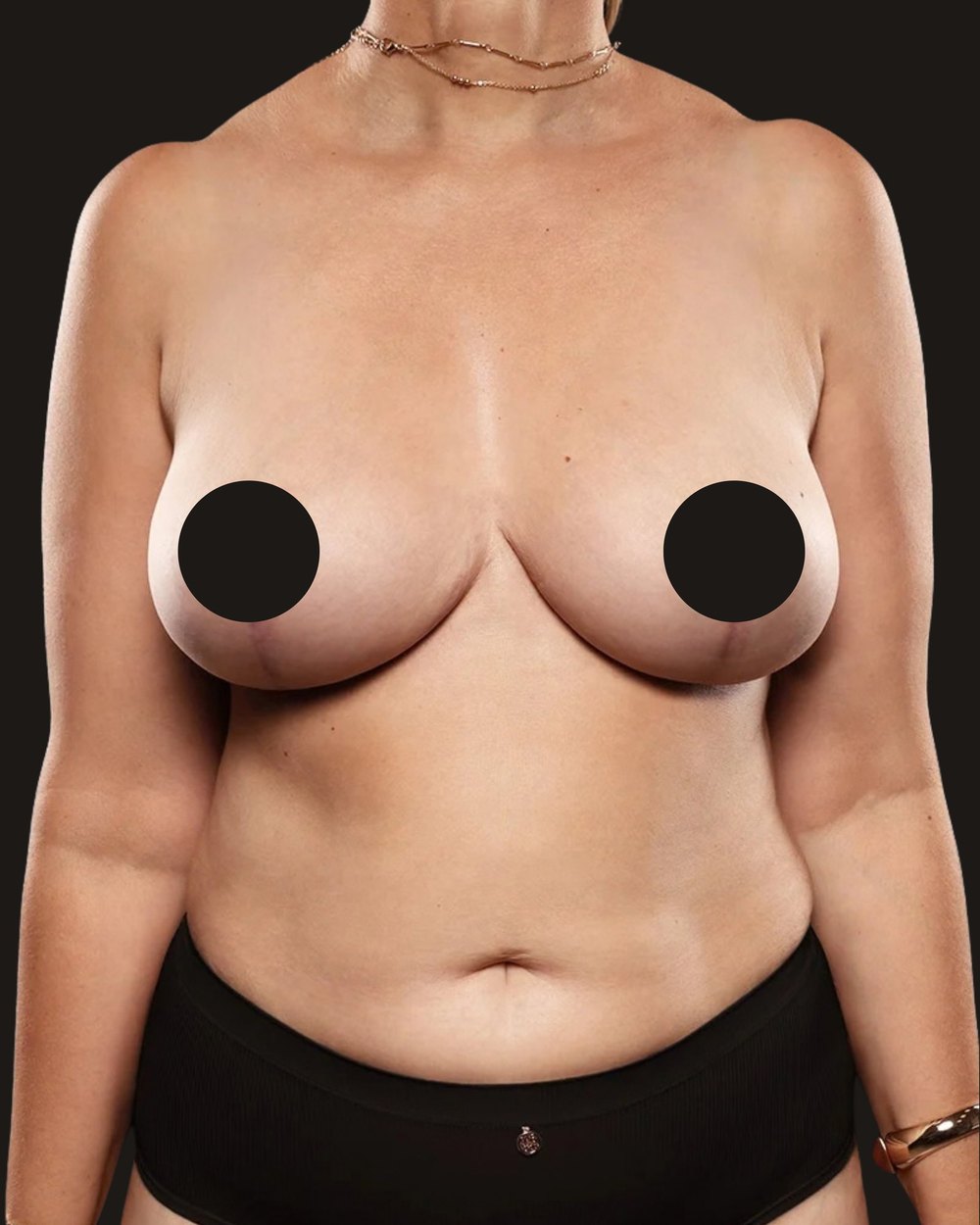
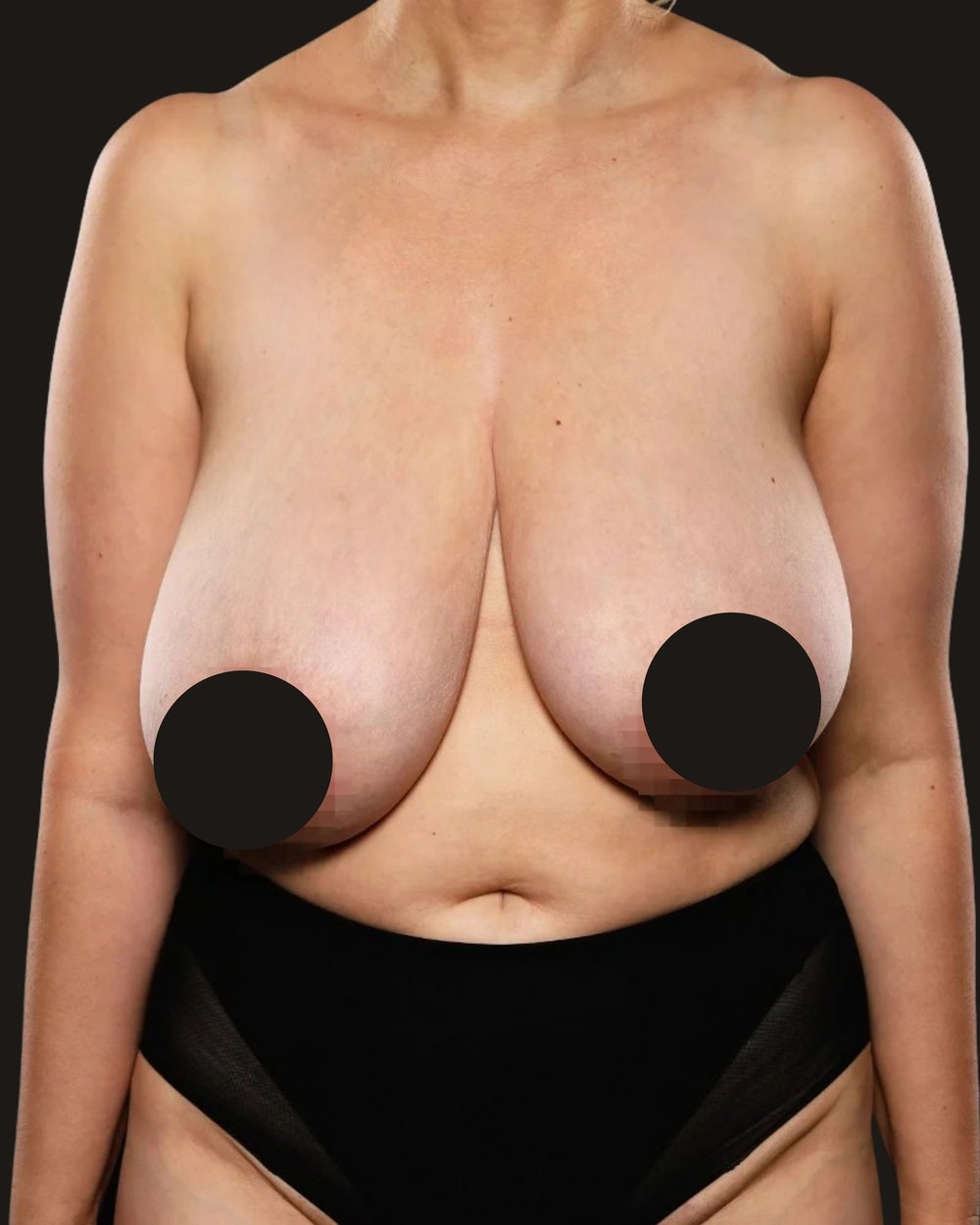
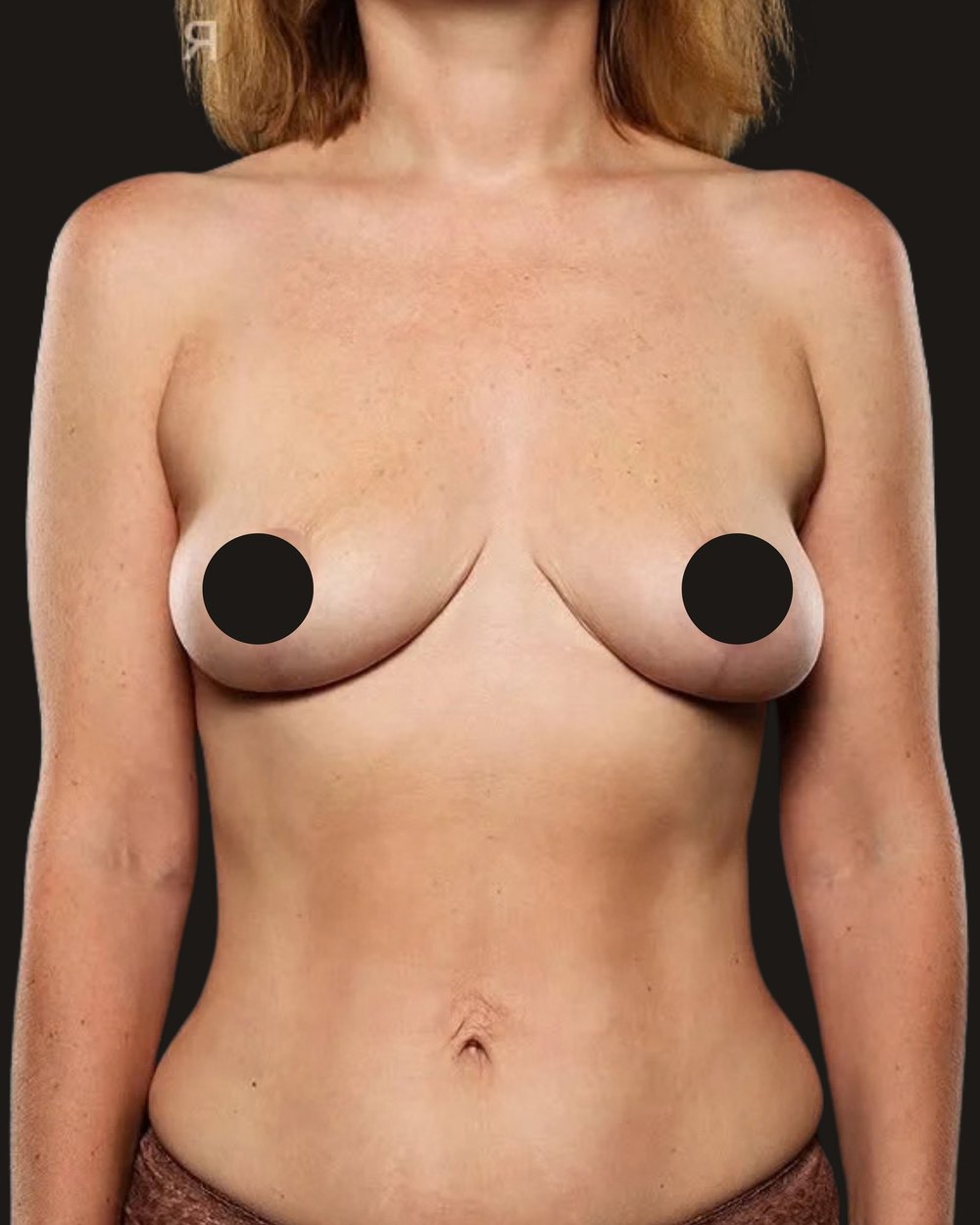
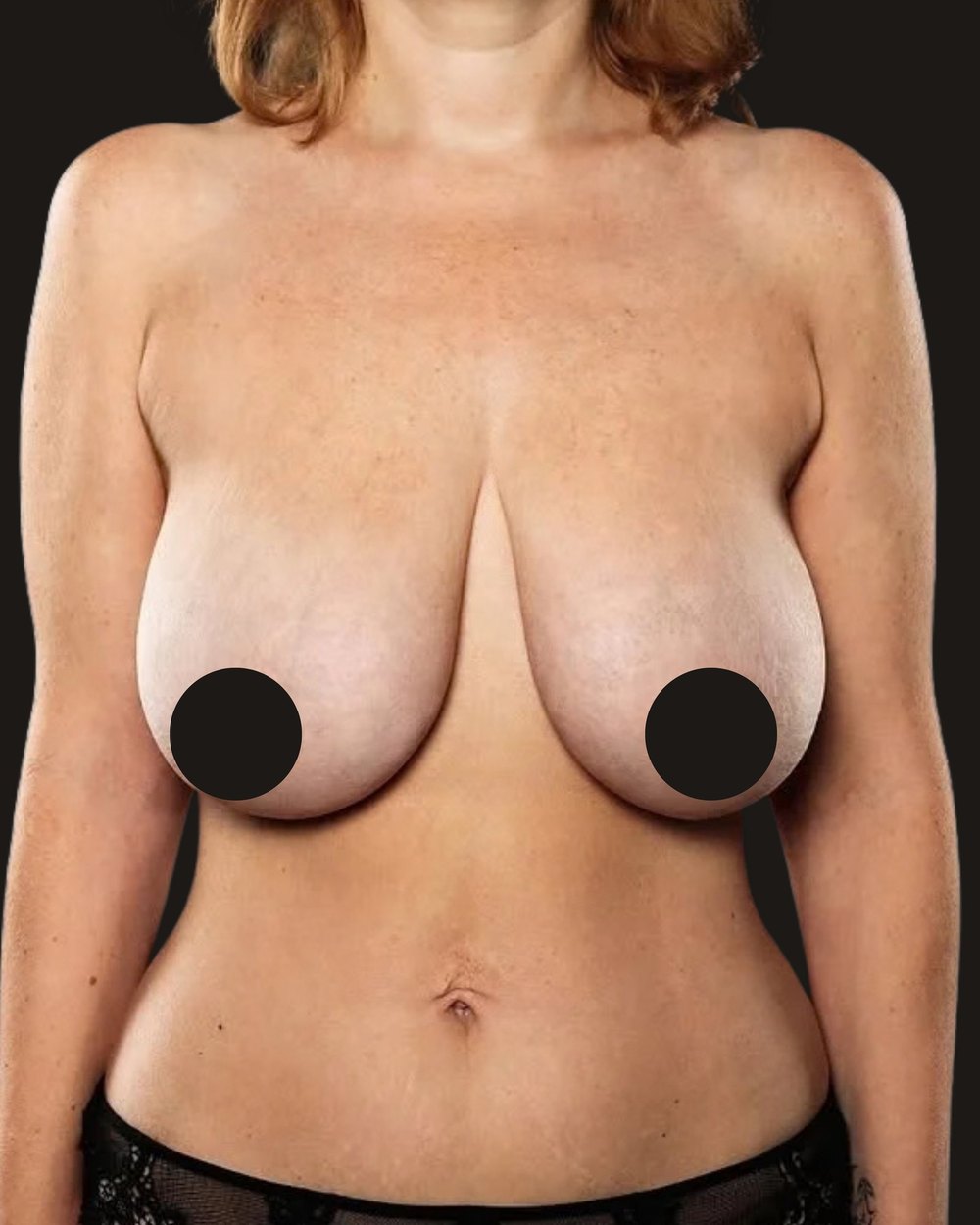
Before and After

View the full gallery
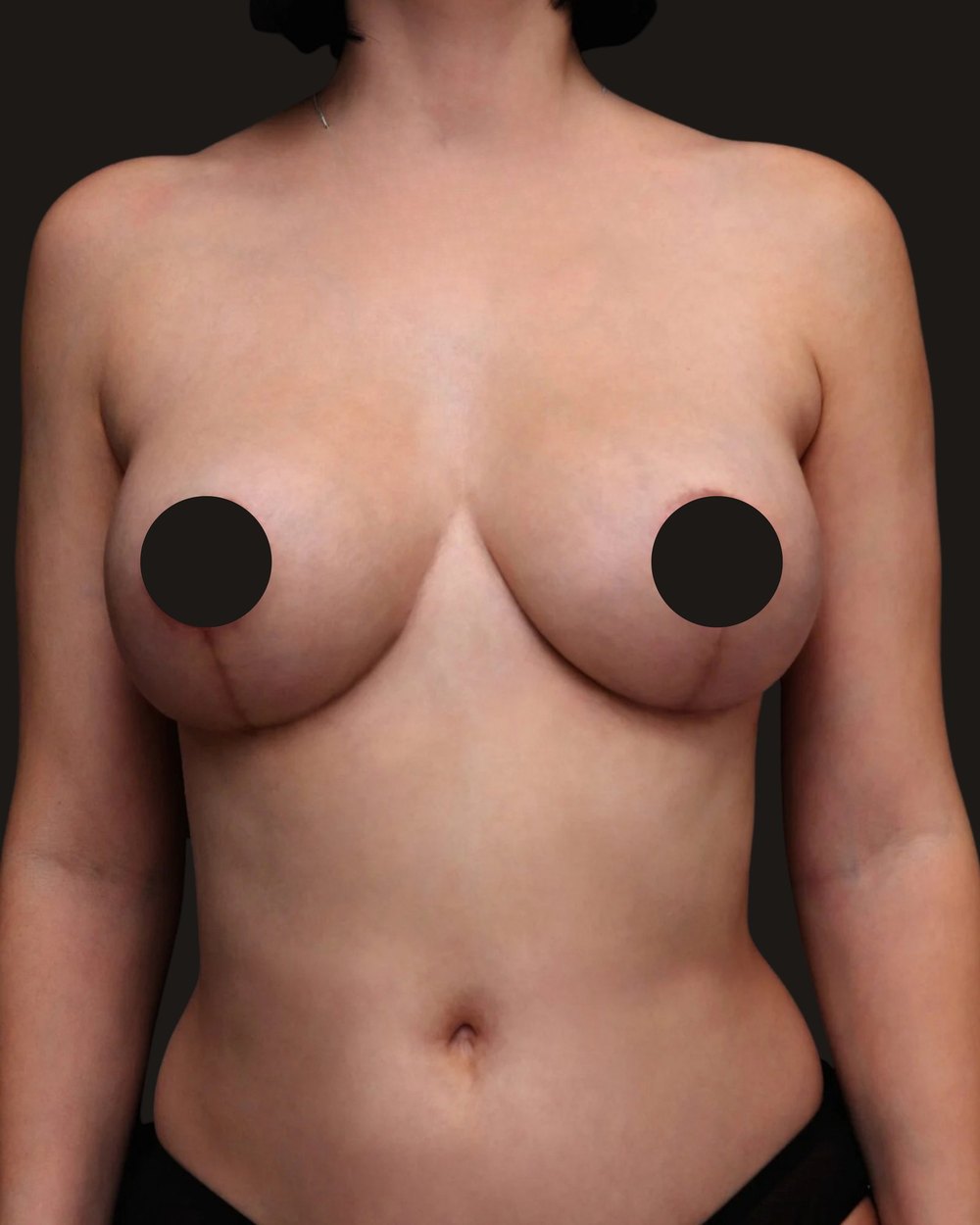
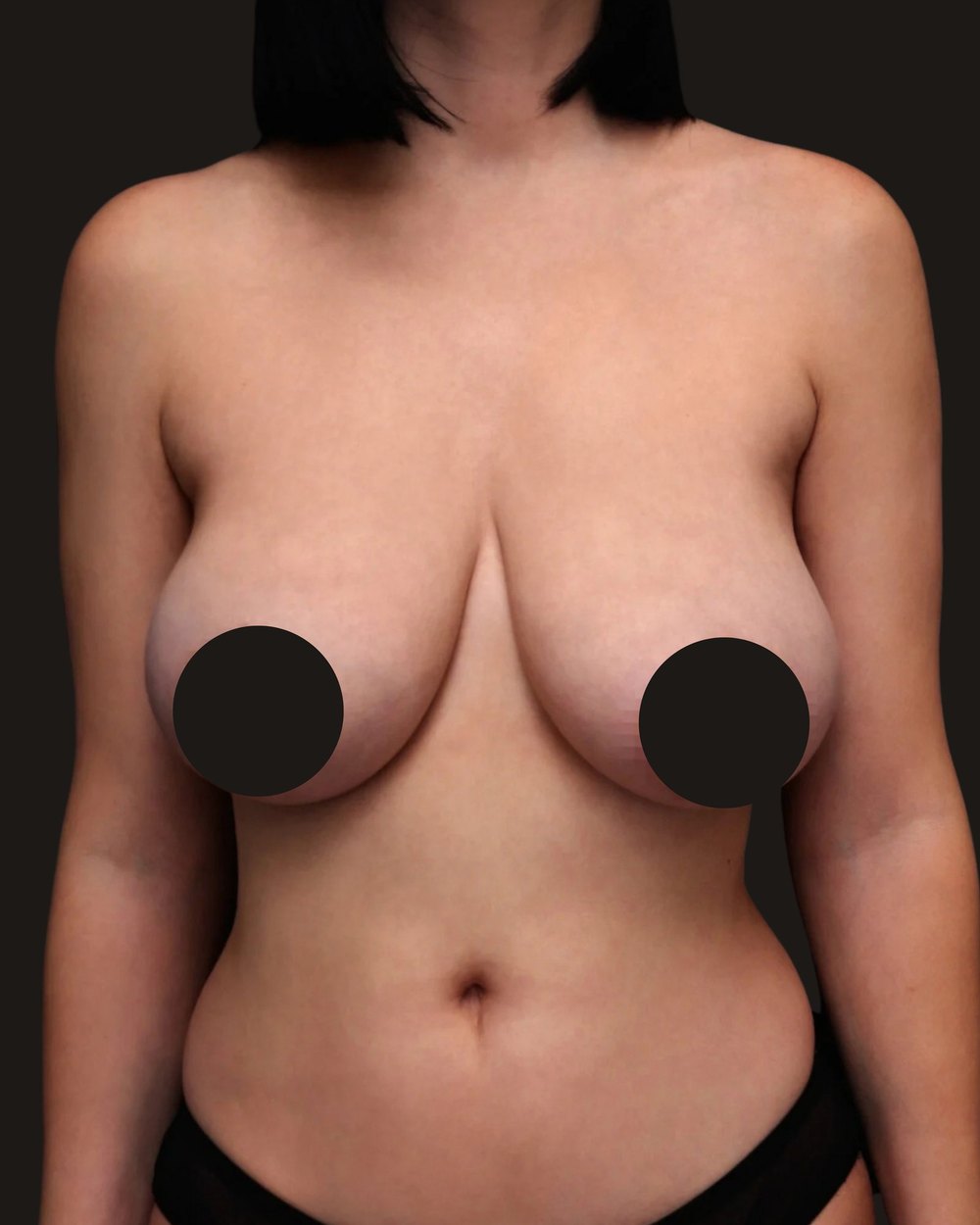
  • Breast reduction and lift, after, front view Breast reduction and lift, before, front view
  • Breast reduction and lift, after, front view Breast reduction and lift, before, front view
  • Breast reduction and lift, after, front view Breast reduction and lift, before, front view

All patients photographed with informed written consent. Individual results vary and are dependent on anatomy, procedure type, and recovery.

  • Drain free

    No tubes to empty and no drain removal visits.

  • No routine narcotics

    A recovery plan built without routine narcotics.

  • Scar care

    Planned by a PhD in wound healing.

  • Insurance covered

    More than 95% of submissions approved.

Insurance coverage

Insurance Covered Breast Reduction and Lift

Insurers call it symptomatic macromastia: breasts large and heavy enough to cause physical symptoms. When those symptoms are documented, breast reduction is often covered. Our team at Central Park South in Manhattan handles the insurance process for you and keeps you updated at every step.

Breast reduction may help if you have

  • Neck, back, or shoulder pain
  • Grooves from bra straps
  • Rashes beneath the breasts
  • Trouble exercising or running
  • Difficulty finding bras and clothes that fit
  • Headaches or poor posture from breast weight

Insurers also consider your height, weight, planned tissue removal, and prior treatment. Requirements vary by plan.

Dr. K on insurance coverage

Getting Your Breast Reduction and Lift Covered by Insurance

We simplify the insurance process, from verifying your benefits to submitting your preauthorization.

Check My Insurance Coverage
  1. Our team

    Check Your Insurance

    We verify your breast reduction and lift benefits at no cost and explain your coverage.

  2. You and Dr. Kiwanuka

    Consultation

    Meet with Dr. Kiwanuka to discuss your symptoms, examine you, and plan your breast reduction and lift. Consultations are complimentary for insurance patients.

  3. Our team

    Medical Documentation

    We prepare your clinical photographs, medical records, and a detailed letter of medical necessity to support insurance approval.

  4. Our team

    Insurance Preauthorization

    Our team submits your request, communicates with your insurer, and follows up throughout the approval process.

Patients with these plans have had breast reduction covered

If your plan is not listed, we can still check your benefits.

How each insurer reviews breast reduction: Aetna, Anthem, Blue Cross Blue Shield, Cigna, EmblemHealth, Oxford, and UnitedHealthcare

Insurer names and logos are trademarks of their owners. Dr. Kiwanuka is not affiliated with or endorsed by these insurers.

Check My Insurance

Share a few details and our team will check your breast reduction benefits at no cost and with no obligation. Prefer to write? Contact us.

Call (212) 440-1700 Prefer to text? (855) 492-1800

Verification confirms your benefits. It is not a guarantee of coverage or payment.

Dr. K on why every reduction includes a lift

Every Breast Reduction Includes a Lift

A breast reduction does more than make your breasts smaller. The remaining breast tissue is reshaped and lifted, while the nipple and areola (the darker skin around the nipple) are moved higher. The areola is also made smaller to create a more balanced, natural appearance.

Shape and Upper Fullness
Dr. Kiwanuka uses techniques that reshape the breast from within, creating a lifted, rounder shape with improved fullness in the upper breast. The goal is not simply smaller breasts, but beautiful, natural proportions while preserving blood supply and sensation whenever possible.
Planning Your Size
Your new breast size is planned around your goals, body proportions, and the amount of tissue needed to relieve your symptoms. When insurance is involved, we also consider your plan's requirements for coverage.
Functional Aesthetics
Breast reduction and lift combines relief from the physical discomfort of heavy breasts with the aesthetic benefits of a breast lift. The goal is to create breasts that feel lighter, sit higher, and look naturally proportionate to your body, so you feel as good as you look.
Incisions Designed for the Best Result
The incision pattern is determined by the amount of reduction and the degree of lifting required. Dr. Kiwanuka typically uses a Wise pattern, an anchor-shaped incision, and is well versed in all incision patterns, so your incision is chosen to achieve the best breast shape with the least visible scar appropriate for your result.

Breast Reduction and Lift Recovery

Breast reduction and lift is an outpatient procedure, meaning you go home the same day. Dr. Kiwanuka uses a drain-free technique and an enhanced recovery protocol designed to minimize pain without routine narcotics. Your surgical garments, scar care, and follow-up visits at our Manhattan office are included as part of our holistic plastic surgery approach.

No Drains
Every breast reduction and lift is performed without surgical drains. No tubes to manage at home, no drains to empty, and no extra visits for drain removal.
Enhanced Recovery Without Opioids
Your recovery begins before surgery with a personalized plan to reduce pain, swelling, and discomfort. By combining different non-narcotic medications, we aim to keep you comfortable, clear-headed, and walking from the first day. Stronger pain medication is available if needed. This approach avoids many of the side effects associated with narcotics, including nausea, constipation, fatigue, and brain fog. Most patients describe their recovery as soreness or tightness rather than severe pain.
Holistic Plastic Surgery
Good healing starts before surgery. Dr. Kiwanuka focuses on nutrition, preparation, early movement, and thoughtful scar care to support your recovery and long-term results. You receive clear instructions and personalized follow-up throughout the healing process.
Learn More About Our Philosophy

Week by Week Recovery

Recovery is planned with the same precision as the surgery. You go home the same day, without drains, on a medication schedule that does not include narcotics. Your comfort is managed by a long acting nerve block placed during surgery, Tylenol and Celebrex on a fixed schedule, and a stool softener you started before you ever arrived.

First Days Days 1 to 7

  • Homesame day
  • First showerafter your week one visit
  • Driving5 to 7 days
  • Desk workabout 1 week

Swelling, tightness, bruising, and changes in sensation are normal, and the shape can look different from one day to the next.

You Can
Walk around your home every few hours. Rest, hydrate, and start with light meals. Shower after your first follow up visit and pat the Steri Strips dry.
Avoid
Touching the garment or dressings before your visit. Driving while taking prescription pain medication. Sleeping on your side or stomach.
Your Care
Your support person stays with you for the first 24 hours. Your first follow up with Dr. Kiwanuka is this week, and your dressings are changed.

The most common source of discomfort after breast surgery is not the incision. It is constipation and bloating from anesthesia, reduced activity, and medication. That is why the stool softener starts two to five days before surgery rather than after you are already uncomfortable.

Weeks 2 to 3 Back to daily life

  • Office workand errands
  • Steri Strips offweek 3
  • Side sleepingas comfort allows

Recovery moves to the background of your day. The breast may still look high and firm, and the lower pole can look flat. That is expected, and it keeps improving for months.

You Can
Office work, errands, social plans, and light household tasks. Healthcare workers and long commutes usually return to work at about two weeks, physically active jobs at about three. Sexual activity may resume gradually. In week three, remove the Steri Strips at home and apply a thin layer of Vaseline or Aquaphor to the incisions.
Avoid
Strenuous exercise, heavy lifting, and anything that spikes your heart rate. Direct pressure on the breast until week six.
Your Care
Your second follow up with Dr. Kiwanuka, with dressings changed again.

Weeks 4 to 6 Scar care and movement

  • Silicone gelweek 4
  • Stationary bikeweek 4
  • Light weightsweek 5
  • Back to the gymweek 6

Once the incisions are fully closed, scar care begins and activity builds week by week. Mild soreness is normal. Pain is not.

You Can
Apply silicone gel twice daily to every incision line from week four. Restart low impact cardio in week four, light resistance training with small dumbbells in week five, and the gym in week six, building intensity as tolerated.
Avoid
Doing too much too soon. If it hurts, your body is asking for more time. Sleeping on your stomach until week eight.
Your Care
Dr. Kiwanuka calls you in week four to review your healing. In week five your garment moves to the stage 2 bralette, worn about 12 hours a day.

Months 2 to 12 Final shape

  • Stomach sleepingweek 8
  • Final review3 to 6 months
  • Scars mature12 to 24 months

The breast settles, the tissue softens, and the lower pole fills out into its final shape. Scars often turn firmer, raised, and more colored between one and four months. That is normal.

You Can
Sleep on your stomach from eight weeks. Keep the silicone going for at least three to six months, because consistency beats intensity.
Avoid
Stopping scar care early. Sensation returns slowly, and numb areas can take months to wake up.
Your Care
Between three and six months to review your final healing. Scars keep flattening, softening, and paling for twelve to twenty four months.

Meet Dr. Kiwanuka

Dr. Elizabeth Kiwanuka is an Ivy League-trained female plastic surgeon in New York City specializing in breast reduction and lift, aesthetic breast surgery, and breast reconstruction. Her training includes Harvard Medical School, Brown University, and Memorial Sloan Kettering Cancer Center. She is also the only plastic surgeon in New York City with a PhD in wound healing, bringing a unique understanding of how the body heals and scars.

Dr. Kiwanuka combines the precision of reconstructive surgery with the artistry of aesthetic breast surgery. Her approach to breast reduction and lift focuses on relieving physical discomfort while creating a natural, lifted breast shape with carefully planned scars. She performs drain-free breast reductions, uses recovery protocols designed to avoid routine opioids, and personally follows her patients throughout recovery at her Central Park South practice in Manhattan.

The scar begins in the operating room. Choosing your surgeon is choosing your scar.

Meet Dr. K
Meet Dr. K
  • HarvardPostdoctoral Research · Wound Healing
  • PhDScar Biology and Tissue Engineering
  • BrownPlastic Surgery Residency
  • MSKMicrosurgery Fellowship
  • 60+Scientific Presentations and Publications

Patient Reviews

Dr. Kiwanuka's patients consistently rate her among the top breast surgeons in New York City.

A
Ava M.
February 2025
★★★★★

My experience with Dr. Kiwanuka was wonderful! This was my first surgery I've had and was very anxious. Dr. Kiwanuka talked me through the whole process before surgery and answered all of my questions. She made me feel confident that I would be taken care of. With Dr. Kiwanuka's expertise, my results are incredible! Originally, my size was 32 G. My chest was very heavy and sagged low on my torso. I told Dr. Kiwanuka my concerns and ideal outcome, wanting at most a D cup after surgery. I was very impressed with my results. I am now 6 months post op with my dream breasts at a size 32 C. I couldn't be happier with the outcome. Choosing Dr. Kiwanuka was definitely the right choice!

D
Destinee L.
February 2026
★★★★★

For years I struggled with the decision to have a breast reduction. After consulting with two other surgeons and not feeling convinced, my experience with Dr. Kiwanuka was completely different. I left my consultation feeling informed, comfortable, and truly confident in my decision. Dr. Kiwanuka and her team are incredibly attentive and organized. The medical clearance process was smooth, and I received clear pre- and post-op instructions, prescriptions, and a customized pain-management schedule. Dr. Kiwanuka personally checked in before surgery, and her staff also reached out, which made me feel supported every step of the way. On surgery day, I was very nervous since it was my first surgery, but Dr. Kiwanuka and the surgical team immediately put me at ease. Their bedside manner and care were exceptional. Even with normal post-op discomfort, the instant relief in my back, shoulders, and neck was life-changing. I'm now five days post-op and so happy with my results and recovery. Choosing Dr. Kiwanuka was one of the best decisions I've ever made. I'm beyond grateful to her and her amazing team!

A
Allie F.
April 2026
★★★★★

If you're in NYC I cannot recommend Dr. K enough. She & her team are incredible. I had multiple consultations over the course of months but never felt fully comfortable with any of them. Dr. K provided me with all the information i needed to make a decision to move forward I remember I left without any questions. I'm 6 weeks post op and she was available every moment I had a question. She would call to check in during the following days & weeks, when I was anxious about something I could send a picture to her and she would respond within minutes. I really thought despite what she and her team told me and what I saw on reddit (which if you search her name on reddit she has more incredible reviews which is actually how I found her) I would be compromising the look for size. I wanted her to take off as much as she could while still getting them to look the way they did when I was younger and pre weight gain (I'm 27 I believe the pic i showed her for reference was me at 18). She managed to not only give me well over a 50% reduction but they look almost identical (if not better) than the pic i showed her. Everyone i know personally who had a reduction always had lower hanging and flatter boobs. Mine are really full and perky and feel like they did at 18. 10000/10 experience she's incredible her teams incredible the whole hospital experience was so smooth and comforting the experience post op was so easy. i expected to be uncomfortable going back to work monday (surgery was thursday) but i was able to take care of myself fully after 24 hours. Again I seriously cannot recommend her enough to anyone in the area or has the ability to travel for a reduction. i feel incredible I'm not only more comfortable but confident again. I feel like a literal and metaphorical weight of taken off me, she truly did a job i thought was impossible.

M
Mia V.
April 2026
★★★★★

Dr. Kiwanuka very much listens to her patients whether it's a simple question regarding appointments or general inquiries or if it's something of a greater concern before pre after a procedure. She is very thorough in her explanations and makes sure to take the time to answer any questions when she can. She made me feel comfortable going through my very first big surgical procedure and was by me every step of the way from pre-op pto post-op. I am currently about 5 weeks after my breast reduction and I couldn't be happier. She doesn't dismiss any concerns or anything I as a patient may have, especially as someone with some anxious thinking. Her office staff are also lovely to work with. The patient coordinator is very professional, sweet, understanding, and prompt when it comes to questions and/or request regarding billing or insurance (to the best of her ability). The office is also very wonderful at answering general questions when the doctor is unavailable or cannot. I am so happy with my results so far and have not suffered any serious complications. I am very very grateful to have been able to do my procedure here and have already recommended her to a co-worker who is looking for the same procedure done hopefully next year.

Frequently Asked Questions

Insurance and Coverage

Is breast reduction covered by insurance?

Often, yes. When breast size causes physical symptoms, insurers usually consider breast reduction reconstructive rather than cosmetic. Coverage depends on your plan and its medical criteria. At our Central Park South practice in Manhattan, our team checks your benefits, prepares your documentation, and submits your preauthorization. More than 95% of the insurance requests we submit are approved.

Is the insurance check free?

Yes. We verify your breast reduction benefits at no cost and with no obligation, before you book a consultation. Call (212) 440-1700 or text (855) 492-1800 to start. Verification confirms your benefits. It is not a guarantee of coverage or payment, which your insurer decides after reviewing your documentation.

Which insurance plans have covered breast reduction?

Patients with these plans have had breast reduction covered: UnitedHealthcare, Aetna, Anthem Blue Cross, Cigna, Blue Cross Blue Shield, and EmblemHealth. If your plan is not listed, we can still check your benefits for you.

How does insurance decide if breast reduction is medically necessary?

Insurers look for documented symptoms caused by breast size, such as back, neck, and shoulder pain, headaches, bra strap grooving, or rashes under the breast. Many also consider your height, weight, the amount of tissue to be removed, and treatment you have already tried. Requirements vary by plan, and our team checks yours before we submit.

What is the Schnur scale?

A chart some insurers use to estimate the minimum amount of tissue to be removed, based on your height and weight. Not every insurer uses it, and your symptoms matter as well. You can estimate your number with our calculator before your consultation.

Use the Schnur Scale Calculator

I am petite. Can I still qualify?

Often, yes. Insurers generally judge tissue removal relative to body size, and research shows that smaller reductions can relieve significant pain in smaller frames. Our team checks your plan's criteria so you know where you stand before surgery is scheduled.

Do I need physical therapy or a chiropractor first?

Some plans ask for a history of conservative treatment, such as physical therapy, chiropractic care, supportive bras, or pain medication, for a set period before surgery. Other plans do not. We check your plan's criteria and tell you what, if anything, it requires before we submit.

What documentation will I need?

Your consultation notes, clinical photographs, records of your symptoms and any treatment you have tried, and a letter of medical necessity from Dr. Kiwanuka. Notes from your primary care doctor, physical therapist, or chiropractor can help. Our team gathers everything and submits your preauthorization.

What happens if my insurer denies the request?

We review the reason for the denial and, when appropriate, send more documentation or file an appeal. If coverage is not possible, self pay options and financing are available, and you receive a Good Faith Estimate before surgery.

Is the consultation free?

Consultations are complimentary for insurance patients. Dr. Kiwanuka examines you, listens to your goals, and plans your reduction, and our team uses the visit to prepare your insurance documentation.

Your Surgery

How is breast reduction performed?

Dr. Kiwanuka typically uses a Wise pattern with a superomedial pedicle and is well versed in all incision patterns. Excess breast tissue, fat, and skin are removed, the remaining breast is reshaped and lifted, and the nipple moves to a position that suits your frame. Surgery takes two to three hours under general anesthesia, and you go home the same day.

How much breast tissue is removed?

It is planned around your anatomy, your symptoms, your plan's criteria, and your goals, so the breast that remains is in proportion to your frame. The cases in our gallery range from 350 to 1,200 grams removed per breast.

What cup size will I be after surgery?

Size is planned with you at your consultation, around your frame, your symptoms, and the shape you want. Many patients choose a size that looks in proportion rather than a specific cup letter, since cup sizes vary between bra brands.

Does the lift come with a reduction?

Yes. Every breast reduction repositions the nipple and reshapes the breast, so a lift is part of the operation. The tissue that stays is reshaped and supported, not only made smaller.

Is breast reduction done without drains?

Yes. Dr. Kiwanuka performs breast reduction without surgical drains, an approach supported by guidelines from the American Society of Plastic Surgeons. You go home without tubes to empty and without drain removal visits.

Will I need a free nipple graft?

Most patients do not. With a superomedial pedicle, the nipple stays attached to its blood supply. A graft is reserved for very large reductions or specific health factors, and Dr. Kiwanuka will tell you at your consultation if it applies to you.

What are the risks?

As with any surgery, risks include bleeding, infection, delayed wound healing, changes in nipple sensation, differences between the two sides, and visible scarring. Your health history is reviewed before surgery, and Dr. Kiwanuka goes through the benefits and tradeoffs with you at your consultation.

Can I have a breast reduction if I plan to lose weight?

Yes, though it helps to be near a stable weight. Large changes in weight after surgery can change breast size and shape. If you are planning significant weight loss, Dr. Kiwanuka can help you decide on timing.

Can a breast reduction be repeated later?

Yes, if breast size changes later, for example after weight gain or pregnancy. The second operation is planned around the first.

Recovery

What is recovery like?

Recovery is drain free, and pain is managed without routine opioids as part of our holistic plastic surgery approach. Most patients walk the same day, return to desk work in about a week, and resume most activities by week six. Garments, scar care, and follow up visits are included.

When can I go back to work?

Most patients return to desk or remote work after about one week. Jobs in healthcare or with a long commute usually resume at about two weeks, and physically active jobs at about three weeks.

When can I drive?

Usually at five to seven days, once you no longer need medication that causes drowsiness and can turn and brake without hesitation.

How should I sleep after breast reduction?

On your back for the first weeks, with your upper body slightly raised if that is comfortable. Side sleeping as comfort allows from about week four, and stomach sleeping after week eight.

When can I exercise?

Walking starts on the first day. Light exercise returns between weeks four and eight, most restrictions lift at week six, and running and upper body training come back gradually with a supportive sports bra.

Can I breastfeed after breast reduction?

Some patients can breastfeed after a reduction, though it cannot be guaranteed. Tell Dr. Kiwanuka if it matters to you so it can shape your surgical plan.

Scars and Healing

Will I have visible scars?

Yes, breast reduction leaves scars around the areola, down the center of the breast, and along the fold beneath it. Their quality is a central focus here. Every incision is planned and closed to reduce tension, and scar care is included.

Why the Scar Starts With the Incision

How do you care for the scars?

Steri Strips come off at home in week three, silicone scar therapy starts around week four, and your scars are reviewed at every follow up visit. Scars continue to soften and fade over the first year.

Cost

What if my insurance does not cover the procedure?

Self pay options are available, and you receive a Good Faith Estimate before surgery so you know your cost in advance.

Do you offer financing?

Yes. CareCredit financing is available for self pay patients and for costs your plan does not cover.

Where is your practice?

30 Central Park South, Suite 13A, New York, NY 10019, on Central Park South in Manhattan. Call (212) 440-1700 to book a consultation.

Naturally Beautiful with Dr. K

Your Result Starts
With A Conversation.

See whether breast reduction is right for you, and whether it may be covered by your insurance, with Dr. Elizabeth Kiwanuka on Central Park South.