Harvard · ResearchBrown University · Plastic Surgery ResidencyMemorial Sloan Kettering · FellowshipPhD · Scar Specialist60+ Scientific Publications5-Star Average · 150+ Patient Reviews30 Central Park South · New YorkFemale Plastic SurgeonTrilingual · English · Russian · SwedishHarvard · ResearchBrown University · Plastic Surgery ResidencyMemorial Sloan Kettering · FellowshipPhD · Scar Specialist60+ Scientific Publications5-Star Average · 150+ Patient Reviews30 Central Park South · New YorkFemale Plastic SurgeonTrilingual · English · Russian · Swedish

Insurance Guide

Schnur Scale Calculator for Breast Reduction Insurance

The Schnur scale is a chart some insurers use when they review a request for breast reduction. It pairs your body surface area, calculated from your height and weight, with a reference amount of breast tissue removed per breast.

Use the calculator below to see where you fall on the chart. It is one reference among several. Your symptoms, your medical history, and your plan’s own rules also shape the decision.

Schnur Scale Calculator

Enter your height and weight to find your body surface area and the Schnur scale reference for tissue removed per breast. The result also shows how each major insurer in New York applies it.

Nothing you enter is stored or sent anywhere.

How the Schnur Scale Works

The chart was published in 1991 from a study of women who had breast reduction. It sets a reference for how much tissue is typically removed at each body size, so a request can be compared with others of similar build.

Body Surface Area
A measure of body size calculated from height and weight. A larger frame has a larger body surface area.
Tissue per Breast
The chart lists a reference amount of tissue removed from each breast, in grams, for each body surface area.
The 22nd Percentile
The listed amounts are the 22nd percentile of tissue removed in the original study. Requests at or above this line are generally viewed as medically necessary.
One Reference Among Several
The author of the chart later cautioned against using it as a strict coverage rule, and many insurers weigh symptoms and treatment history alongside it.
Schnur Scale Reference Table

Reference amount of tissue removed per breast at the 22nd percentile, by body surface area.

Body Surface Area (m²)Grams per Breast
1.35199
1.40218
1.45238
1.50260
1.55284
1.60310
1.65338
1.70370
1.75404
1.80441
1.85482
1.90527
1.95575
Body Surface Area (m²)Grams per Breast
2.00628
2.05687
2.10750
2.15819
2.20895
2.25978
2.301,068
2.351,167
2.401,275
2.451,393
2.501,522
2.551,662

Source: Schnur PL and colleagues, Annals of Plastic Surgery, 1991. The original study covered body surface areas from 1.35 to 2.55. Some insurers publish extrapolated values above that range.

What Else Insurers Consider

Tissue removal is one part of a request. More than 95% of the insurance requests we submit are approved. Our team prepares the documentation and submits your preauthorization.

  • Chronic neck, back, or shoulder pain
  • Shoulder grooving from bra straps
  • Skin irritation beneath the breasts
  • Difficulty exercising or performing daily activities
  • Previous conservative treatments, such as supportive bras, physical therapy, chiropractic care, or pain management, when your plan requires them
  • Clinical photographs and a letter of medical necessity
Dr. K on insurance coverage

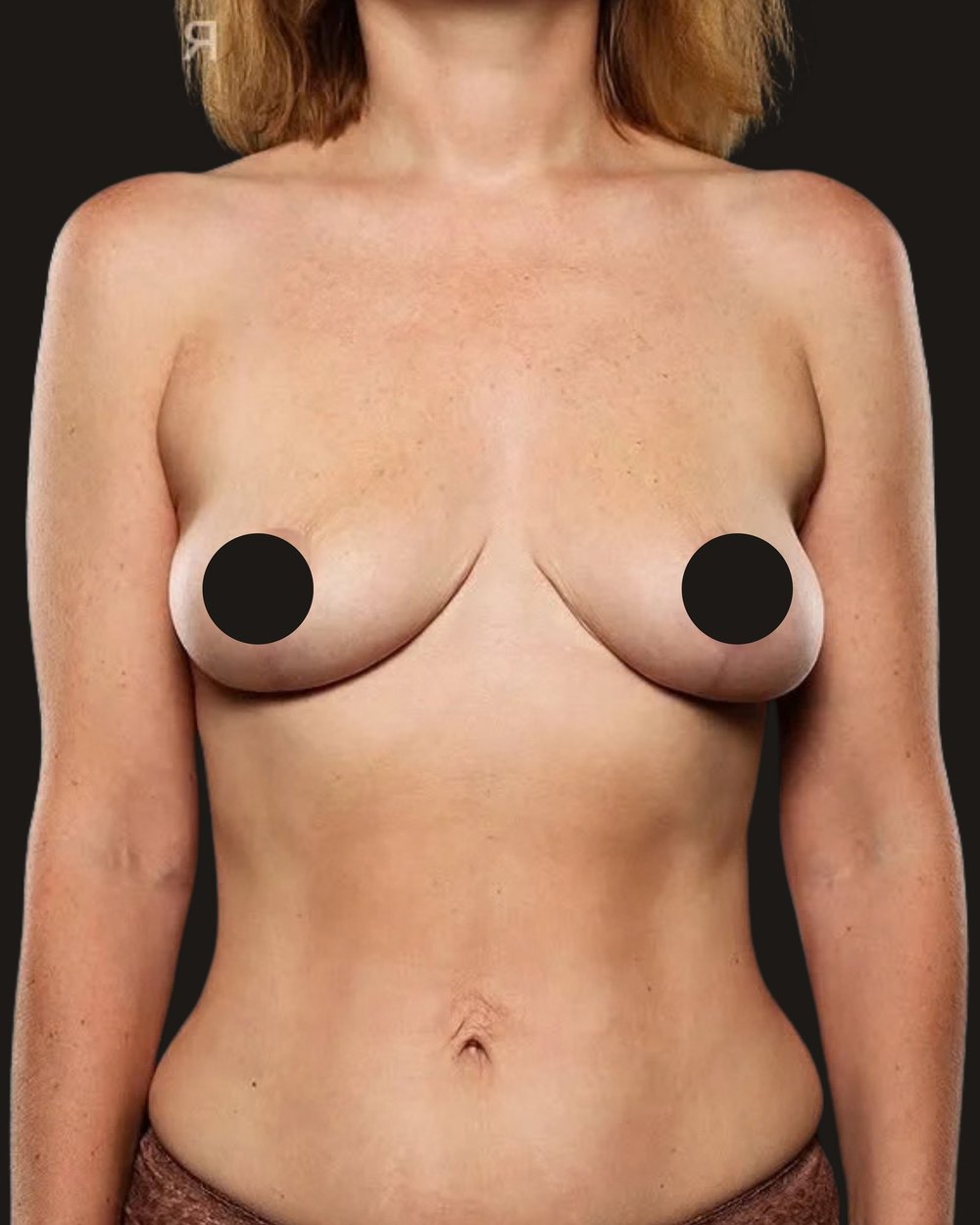
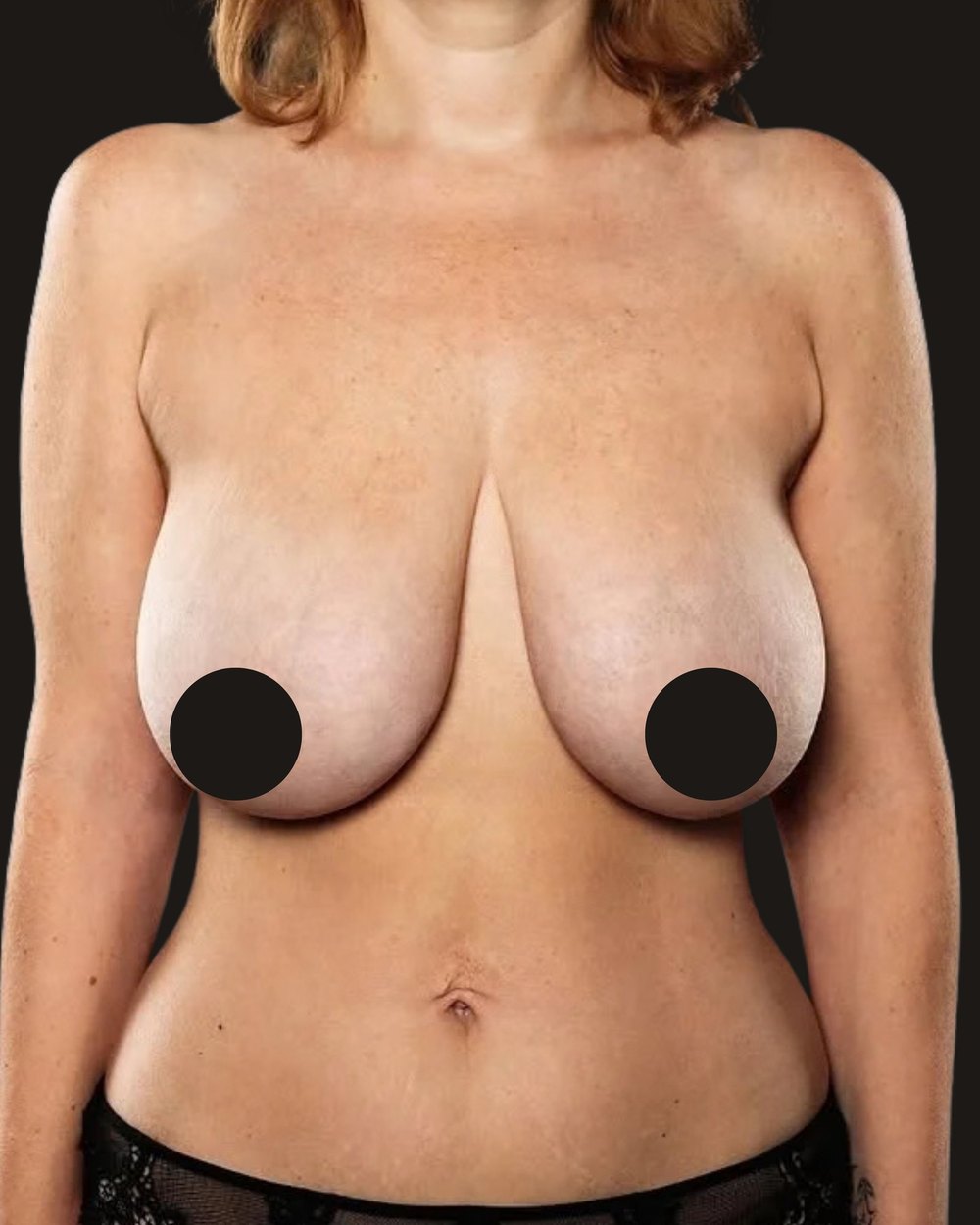
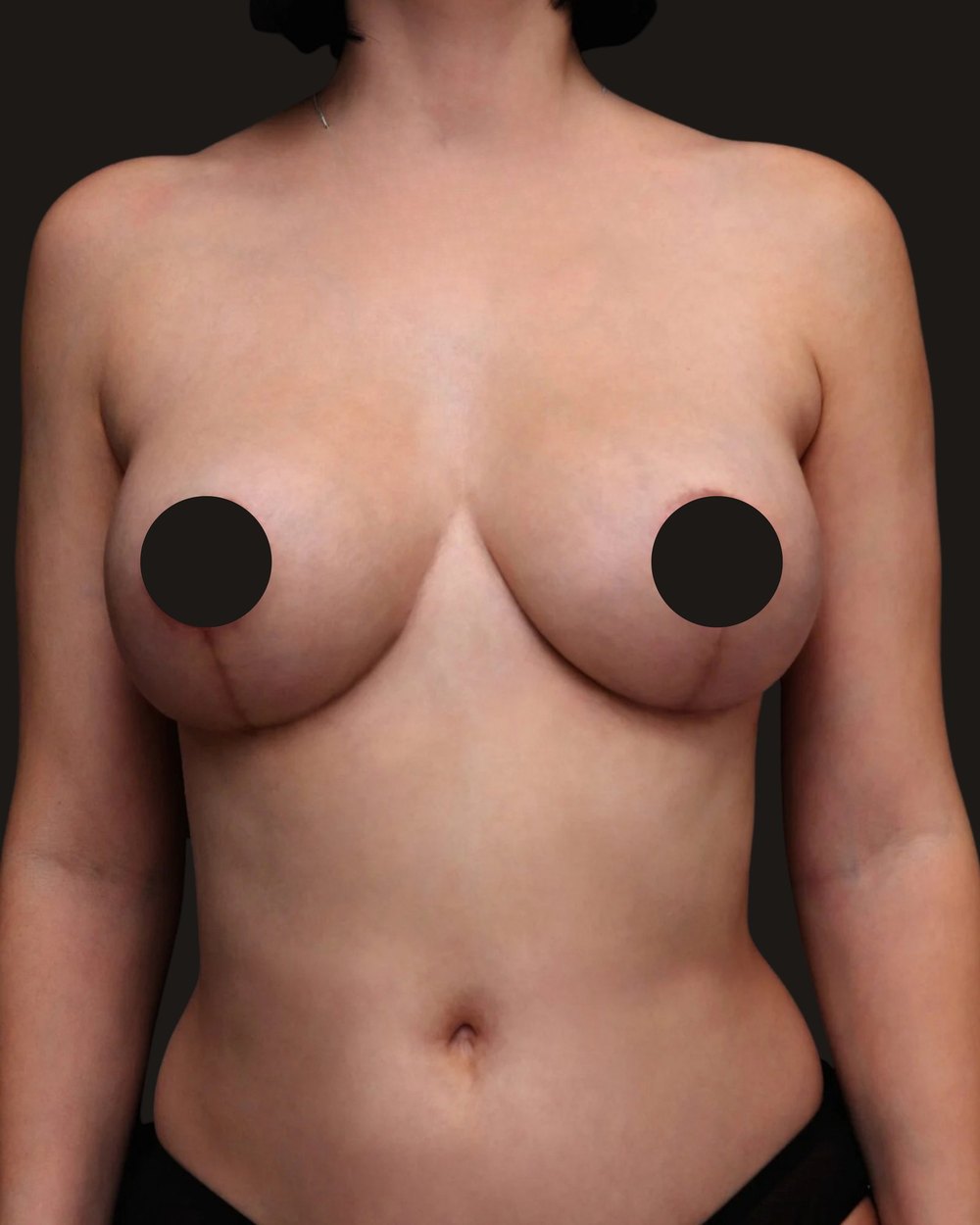
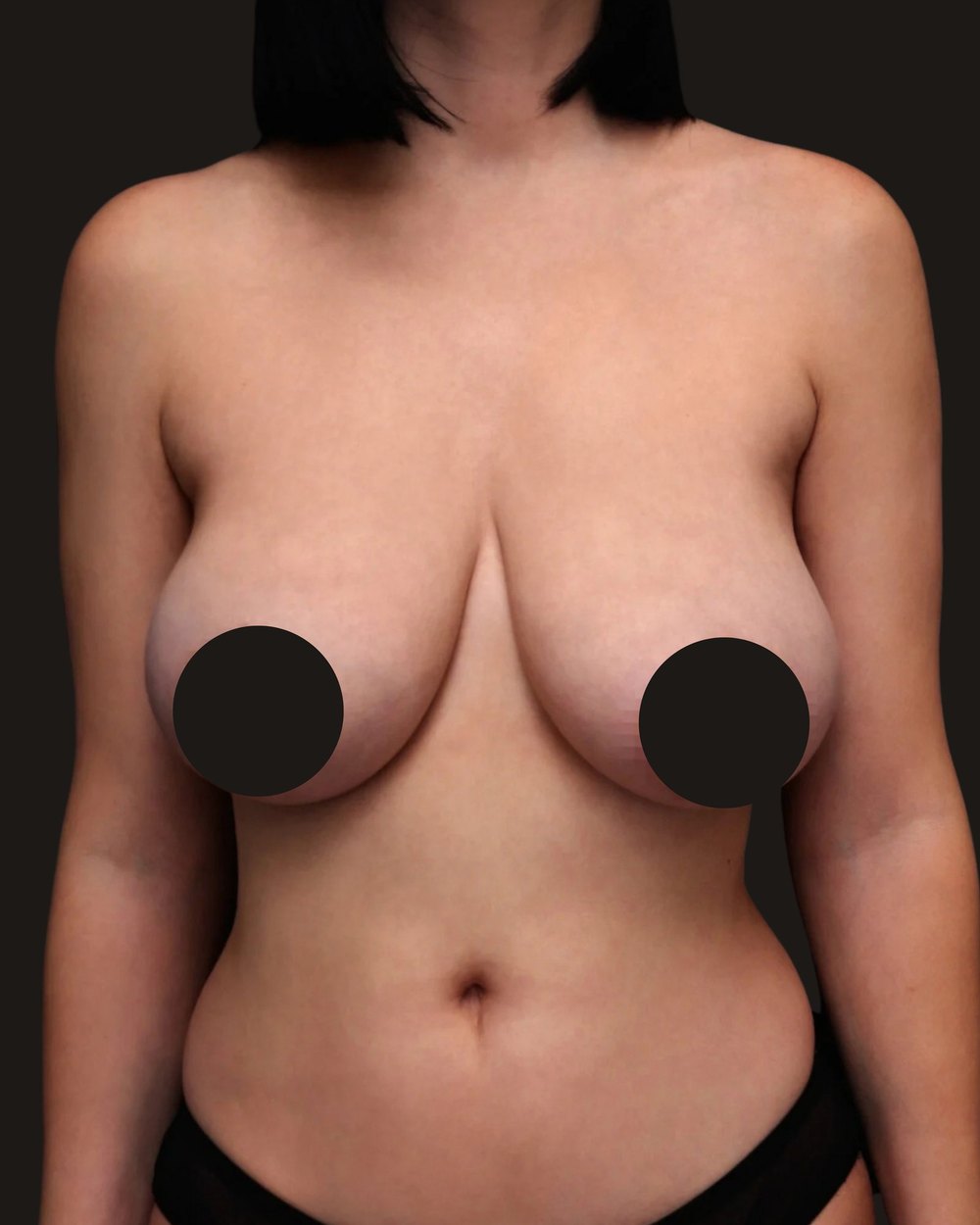
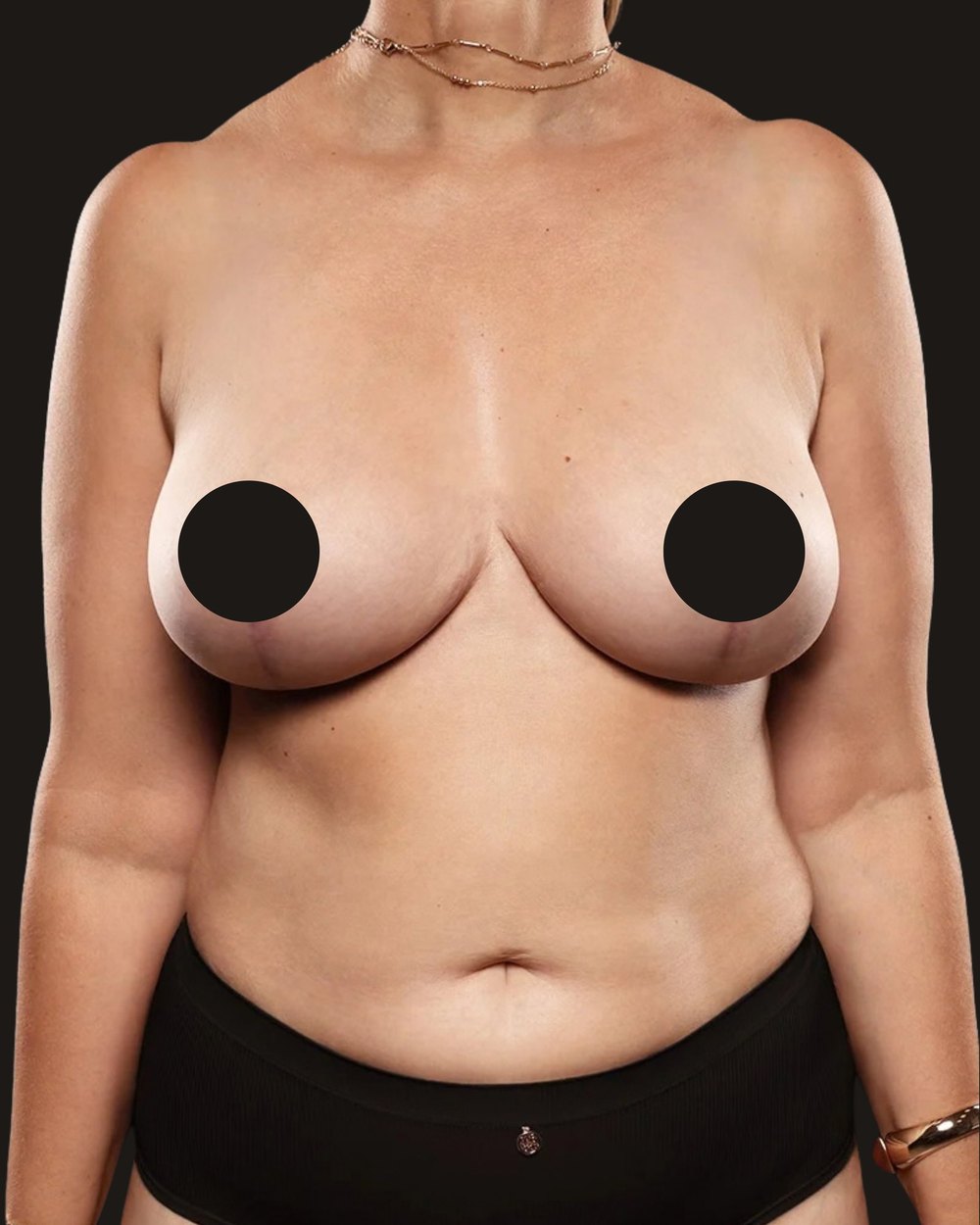
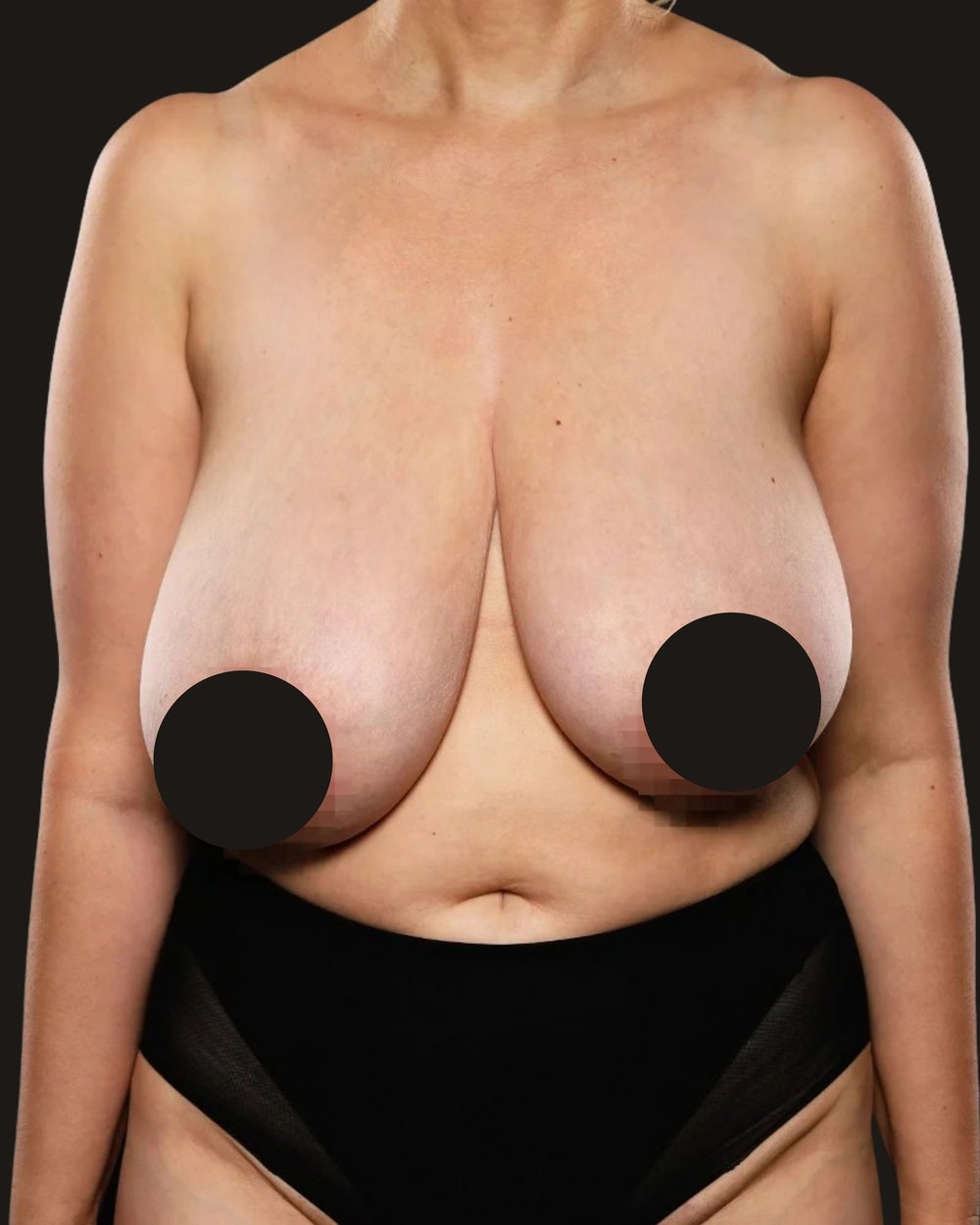
Breast Reduction and Lift Before and After

View the Full Gallery
  • Breast reduction and lift, after, front view Breast reduction and lift, before, front view
  • Breast reduction and lift, after, front view Breast reduction and lift, before, front view
  • Breast reduction and lift, after, front view Breast reduction and lift, before, front view

All patients photographed with informed written consent. Individual results vary and are dependent on anatomy, procedure type, and recovery.

Frequently Asked Questions

What is the Schnur scale?

The Schnur scale is a chart that pairs body surface area with a reference amount of breast tissue removed per breast. It comes from a 1991 study of breast reduction patients, and some insurers use it to judge whether a planned reduction is medically necessary.

Is the Schnur scale per breast or total?

Per breast. Each value on the chart is the reference amount of tissue removed from each breast, not the total for both.

How many grams must be removed for insurance to cover breast reduction?

It depends on your plan and your body size. On the Schnur scale, the reference ranges from 199 grams per breast at a body surface area of 1.35 to 1,662 grams at 2.55. Some insurers also accept a fixed amount, such as 500 grams or 1 kilogram per breast, and Aetna uses its own table with higher minimums.

Which insurers use the Schnur scale?

Cigna, Anthem, and EmblemHealth reference the Schnur scale in their published policies. The Blue Cross Blue Shield Association reference policy accepts the Schnur scale or 500 grams per breast, and each Blue plan sets its own rule. UnitedHealthcare and Oxford use InterQual criteria, and Aetna uses its own table.

Does every insurer use the Schnur scale?

No. Some insurers use the Schnur scale, some use their own tables, and some use a fixed minimum. Your plan documents decide which rule applies, which is why our team checks your benefits before your consultation.

What if my number falls below the chart?

A result below the reference does not rule out coverage. Symptoms, medical history, and prior treatment also matter, and research has shown that smaller reductions can relieve significant pain in women with smaller frames. Dr. Kiwanuka reviews your plan requirements with you at your consultation.

Is the calculator result my surgical plan?

No. The calculator shows a reference from one chart. Your surgical plan, including how much tissue is removed, is made with Dr. Kiwanuka after an examination and a conversation about your goals.

How is body surface area calculated?

This calculator uses the formula published with the Schnur scale by several insurers: body surface area equals 0.007449 times height in centimeters to the power of 0.718, times weight in kilograms to the power of 0.427. Other formulas give results within a few hundredths.

Check My Insurance

Share a few details and our team will check your breast reduction benefits at no cost and with no obligation. Prefer to write? Contact us.

Call (212) 440-1700 Prefer to text? (855) 492-1800

Verification confirms your benefits. It is not a guarantee of coverage or payment.